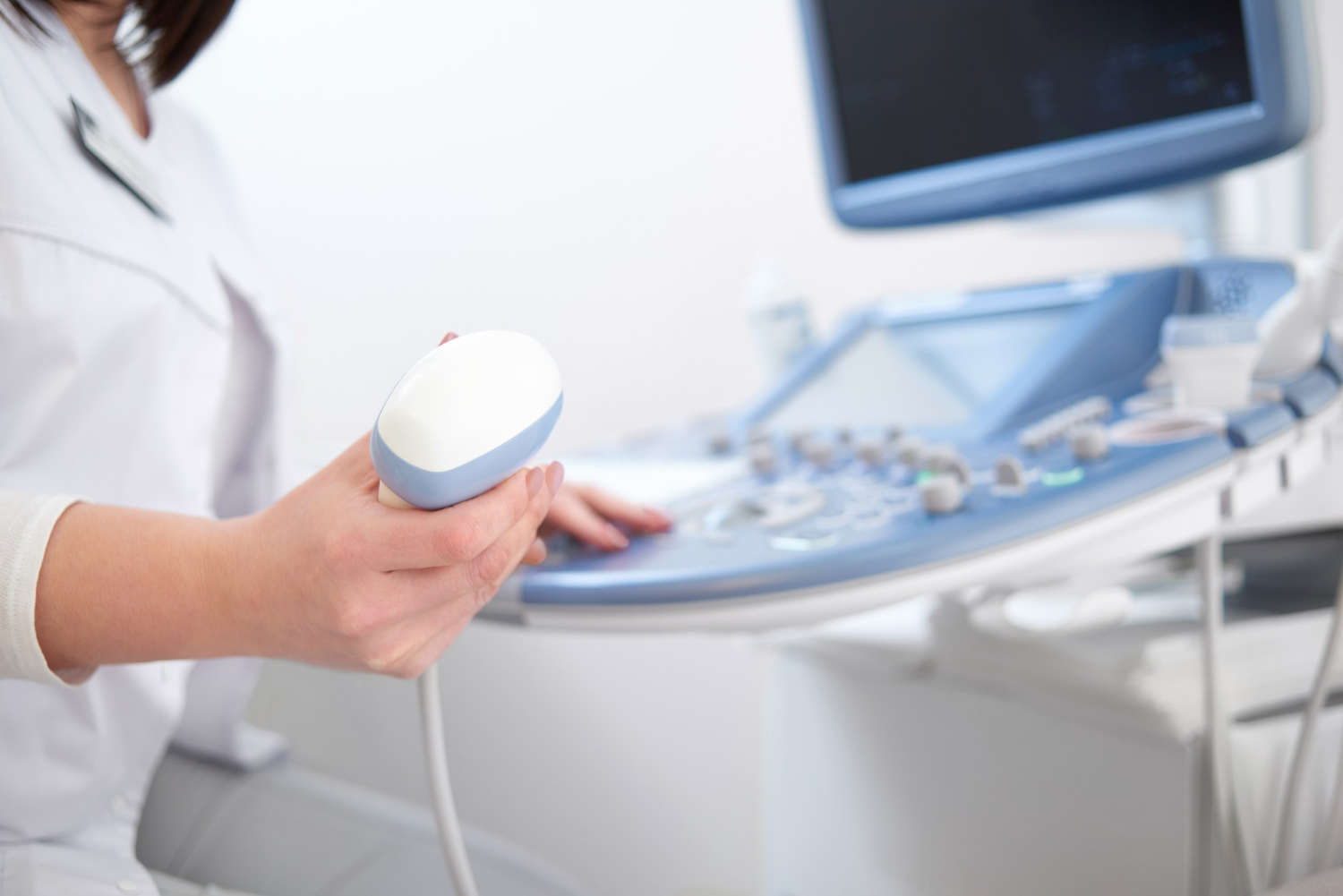
Ultrasound is a non-invasive imaging technique that uses sound waves to visualize organs and tissues in the body. It is commonly used in obstetrics, musculoskeletal conditions, and vascular health assessments.
Whole Body 5D Ultrasound
A state-of-the-art ultrasound that provides detailed 5D imaging of organs and tissues in the body for diagnostic and assessment purposes.
Whole Body Color Doppler
This ultrasound technique is used for visualizing blood flow through arteries and veins in real-time, crucial for diagnosing vascular conditions.
Color Doppler 2D Echocardiography
Used for heart assessments, this ultrasound examines blood flow and heart function, critical for diagnosing cardiovascular conditions.
Musculoskeletal Ultrasound
Ultrasound imaging to evaluate muscles, tendons, joints, and soft tissues for injuries or conditions like inflammation or tears.
Neurosonography
A specialized ultrasound used to assess brain function, commonly used in neonatal care for newborns and infants.
TIFFA (Level II Scan)
A focused ultrasound performed during pregnancy to assess fetal health and detect abnormalities, typically conducted between 18-20 weeks.
Obstetric Doppler Studies
These studies use Doppler ultrasound to evaluate blood flow to the fetus and placenta, essential for monitoring fetal health during pregnancy.
Sonomammography
Used as a follow-up to mammography, sonomammography helps assess any abnormalities in the breast tissue, especially for patients with dense breasts.
Elastoscan
A non-invasive ultrasound method used to assess the stiffness of tissues, particularly valuable in liver disease assessment.
Shearwave Elastography
An advanced ultrasound technique that evaluates tissue stiffness, commonly used for liver studies and detecting liver fibrosis or cancer.