What is a Brain CT Scan?
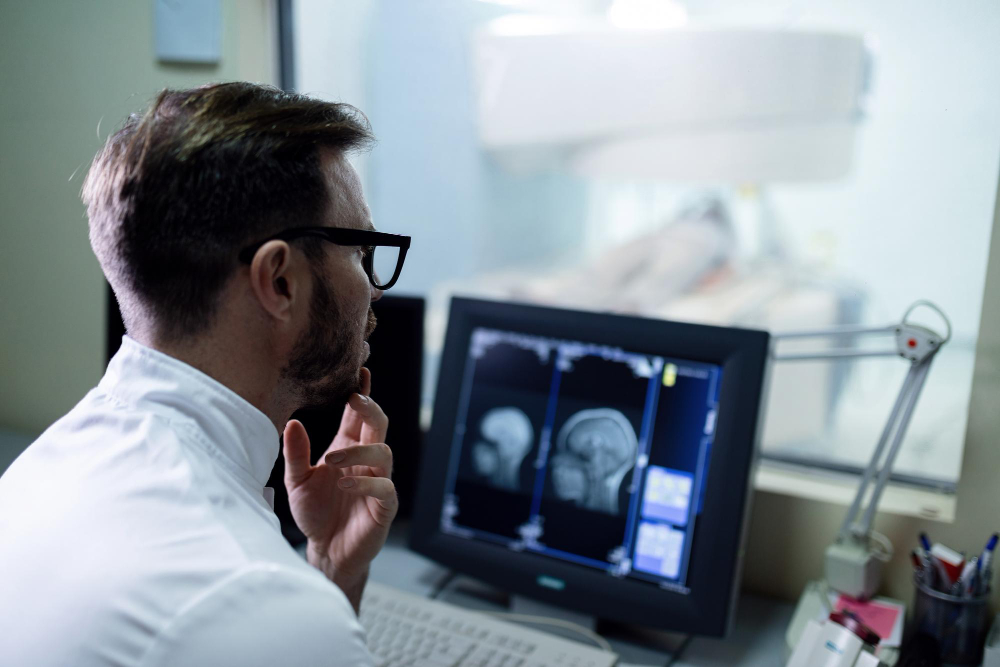
A Brain CT scan is a special type of X-ray test. It takes detailed pictures of your brain. Doctors use this scan to look for problems inside your head. Sometimes, you may hear it called a CT head scan or computed tomography brain scan. Unlike regular X-rays, a Brain CT scan shows more detail. This helps your doctor see bones, blood vessels, and soft tissues in your brain.
Why is a Brain CT Scan Done?
Doctors order a Brain CT scan for many reasons. For example, it can help find the cause of headaches or sudden confusion. In addition, it is used after a head injury. Here are some common reasons for a brain imaging test:
Sometimes, a Brain CT scan is the fastest way to get answers in an emergency.
How is a Brain CT Scan Performed?
The brain scan procedure is simple and painless. First, you will lie down on a table. The table slides into a large, doughnut-shaped machine. This machine takes many X-ray pictures from different angles. Then, a computer puts these images together to create clear pictures of your brain. Sometimes, doctors use a special dye called contrast. This dye helps highlight certain areas. If needed, it is given through a small needle in your arm.
What to Expect During the Procedure
Before the scan, you may need to remove jewelry or glasses. During the test, you must lie very still. This helps get the best images. The scan usually takes about 10 to 20 minutes. You may hear buzzing or clicking sounds, but these are normal. If contrast dye is used, you might feel a warm or metallic taste. However, this feeling goes away quickly. After the scan, you can return to your normal activities.
Safety and Risks of Brain CT Scans
Brain CT scans are safe for most people. But, like all X-rays, they use a small amount of radiation. Doctors only order this test when it is needed. The benefits usually outweigh the risks. For most people, the amount of radiation is low and not harmful. However, pregnant women should tell their doctor before the scan. Rarely, some people may have an allergy to the contrast dye. If you have kidney problems or allergies, let your doctor know. Overall, CT scan safety is a top concern for hospitals and clinics.
How to Prepare for a Brain CT Scan
Preparing for a Brain CT scan is easy. Here are some tips to help you get ready:
Most people do not need to fast before a CT head scan. However, your doctor will give you clear instructions if needed.
Frequently Asked Questions
In summary, a Brain CT scan is a safe and helpful tool for brain imaging. It helps doctors find and treat many health problems quickly. If you have questions or concerns, consult a radiologist or your healthcare provider at Dr. Rupinder Diagnostics for personalized advice about brain CT scans.