What is a Viability Scan?
A viability scan is an early pregnancy ultrasound. It checks if a pregnancy is developing as expected. Usually, doctors do this scan in the first trimester. The main goal is to confirm the baby’s heartbeat and growth. Many people call it an early pregnancy viability scan or first trimester scan. This scan helps parents know if the pregnancy is healthy at the start.
Why is a Viability Scan Performed?
Doctors suggest a viability scan for several reasons. First, it helps confirm a pregnancy inside the womb. Also, it checks if the baby’s heart is beating. Sometimes, it can spot twins or more than one baby. In addition, it helps find the cause of pain or bleeding in early pregnancy. Because of these reasons, a viability scan is important for both parents and doctors.
When Should You Get a Viability Scan?
Usually, doctors recommend a viability scan between 6 and 10 weeks of pregnancy. However, some women may need it earlier if they have pain or bleeding. If you are unsure about your last period, a scan can help date the pregnancy. Sometimes, your doctor may suggest a scan if you had problems in past pregnancies. Therefore, always ask your doctor when you should get a viability scan.
How is a Viability Scan Done?
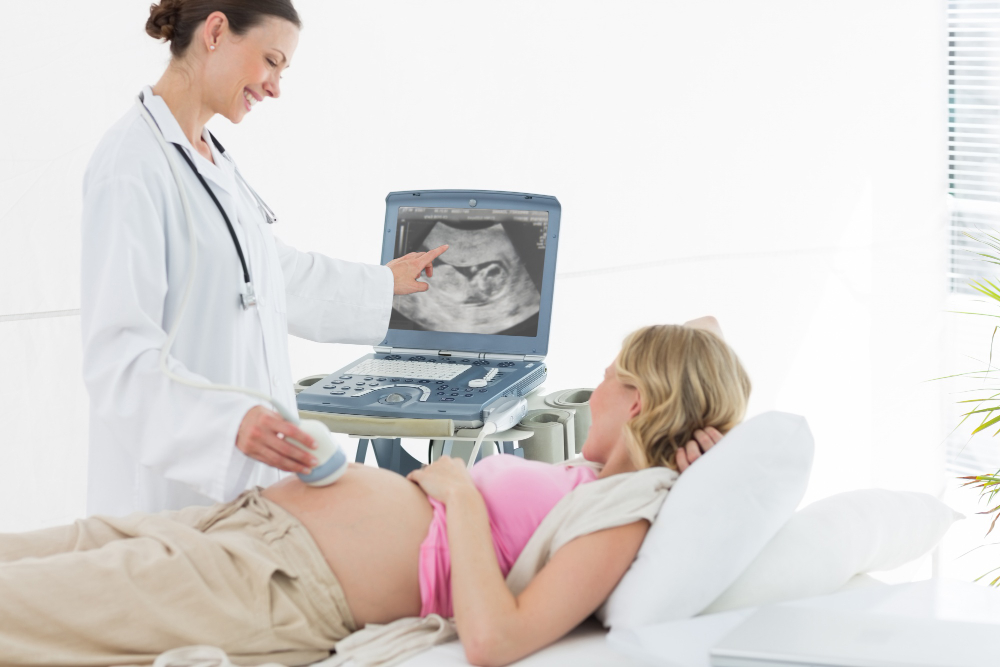
During a viability scan, a trained person called a sonographer uses an ultrasound machine. First, you may need to drink water to fill your bladder. This helps get a clearer picture. Next, you will lie down, and the sonographer will place a small device on your belly. Sometimes, if the pregnancy is very early, a small probe may be placed gently inside the vagina. This is called a transvaginal scan. Both methods are safe and do not hurt. The scan usually takes about 15 to 20 minutes. You can see the images on a screen. The sonographer will explain what they see. If you wonder what to expect during a viability scan, know that it is quick and simple.
What Do the Results Mean?
After the scan, the doctor will explain the results. If a heartbeat is seen, it means the pregnancy is likely healthy. The scan also shows if the baby is growing as expected. Sometimes, the doctor may not see a heartbeat if it is too early. In that case, you may need another scan after a week. If there are any concerns, your doctor will guide you on next steps. Remember, each pregnancy is different, so results may vary.
Safety and Risks of Viability Scans
Viability scans use sound waves, not radiation. According to the World Health Organization, ultrasound scans are safe for both mother and baby. There are no known risks when done by trained professionals. However, only have scans when your doctor recommends them. This helps avoid unnecessary worry or confusion.
Frequently Asked Questions about Viability Scans
Tips for Preparing for Your Viability Scan
Conclusion and Next Steps
In summary, a viability scan is a safe and simple way to check early pregnancy health. It gives parents peace of mind and helps doctors plan care. If you have questions or concerns, always talk to your healthcare provider. Consult a healthcare provider at KP IMAGING for personalized advice about viability scans.