
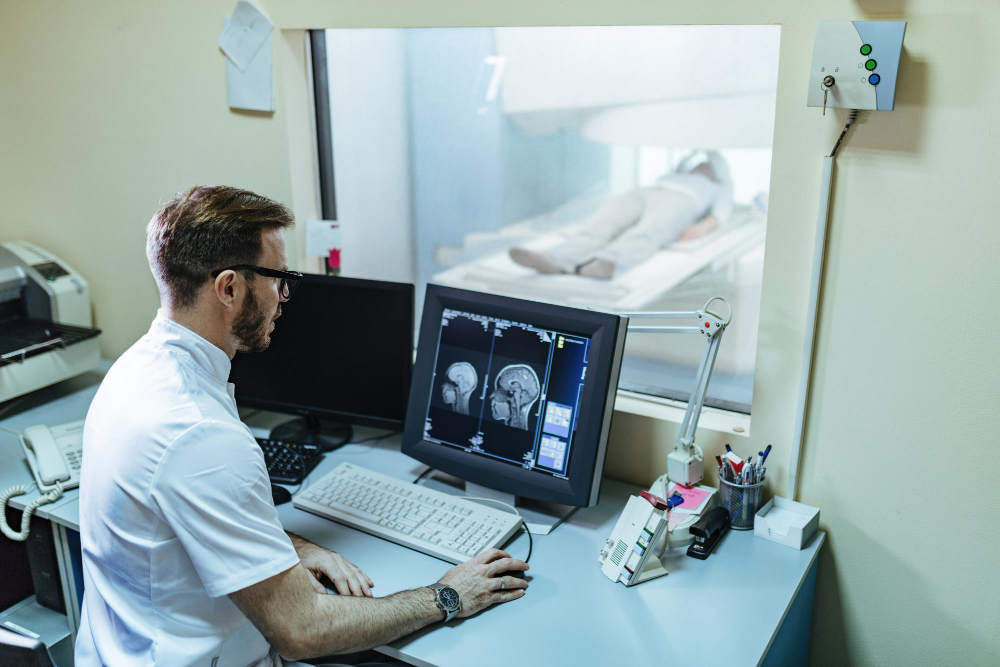
What Is an MRI Epilepsy Protocol?
An MRI epilepsy protocol is a special type of MRI scan. It is designed to help doctors find the cause of seizures. This protocol uses detailed images of the brain. These images help spot changes linked to epilepsy. Because it is more focused than a regular MRI, it can show small brain problems that may cause seizures. Doctors use this protocol to plan the best treatment for each patient.
Why Is It Needed for Epilepsy?
Doctors need the MRI epilepsy protocol to diagnose epilepsy more accurately. Sometimes, regular scans miss tiny changes in the brain. However, this special protocol uses thin slices and extra views. As a result, it can show scars, tumors, or other issues that might trigger seizures. According to the World Health Organization (WHO), early and correct diagnosis helps people get better care. In many cases, finding the exact cause of epilepsy can lead to better treatment choices.
How to Prepare for the MRI Epilepsy Protocol
Proper preparation helps the scan go smoothly. Here are some simple steps to follow:
Because MRI uses strong magnets, safety is very important. Always share your full medical history with the radiology team.
Step-by-Step Procedure Overview
Knowing the steps can help you feel more at ease. Here is what usually happens:
Sometimes, a contrast dye is used to get better images. If so, the staff will explain and check for allergies first.
What Patients Can Expect During the Scan
Many people feel nervous before an MRI scan. However, knowing what to expect can help. First, the MRI machine is a large tube. You will lie on your back and slide inside. The room may feel cool, but you will get a blanket if needed. During the scan, you will hear loud noises. Because of this, you may get earplugs or headphones. Although you must stay still, you can talk to the technologist through a speaker. If you feel anxious, let the staff know right away. Most people finish the scan without problems.
Safety, Risks, and Comfort Tips
MRI scans are very safe for most people. Still, there are a few things to keep in mind:
Because MRI does not use radiation, it is safer than some other scans. However, always follow your doctor’s advice for your safety.
Frequently Asked Questions
Consult a radiologist or neurologist for personalized advice on MRI epilepsy protocols.