What is a Chest CT Scan?
A chest CT scan is a special test that takes detailed pictures of your chest. It uses X-rays and a computer to show images of your lungs, heart, and other chest parts. Unlike a regular X-ray, a CT scan of the chest gives more detailed information. Because of this, doctors can see problems that may not show up on a simple X-ray.
Why is a Chest CT Scan Done?
Doctors order a chest CT scan for many reasons. For example, it helps find the cause of chest pain, cough, or trouble breathing. Sometimes, it checks for infections, tumors, or injuries. In addition, a CT scan of the chest can help spot lung diseases, blood clots, or cancer. Early detection often leads to better treatment.
Because it is quick and detailed, a chest CT scan is very helpful for doctors.
How to Prepare for a Chest CT Scan
Preparing for a chest CT scan is simple. However, you should follow your doctor’s instructions closely. Usually, you can eat and drink as normal. But sometimes, you may need to avoid food or drinks for a few hours before the scan. If you need contrast dye, your doctor will tell you what to do.
Because preparation is easy, most people feel ready for their chest CT scan.
What Happens During the Procedure?
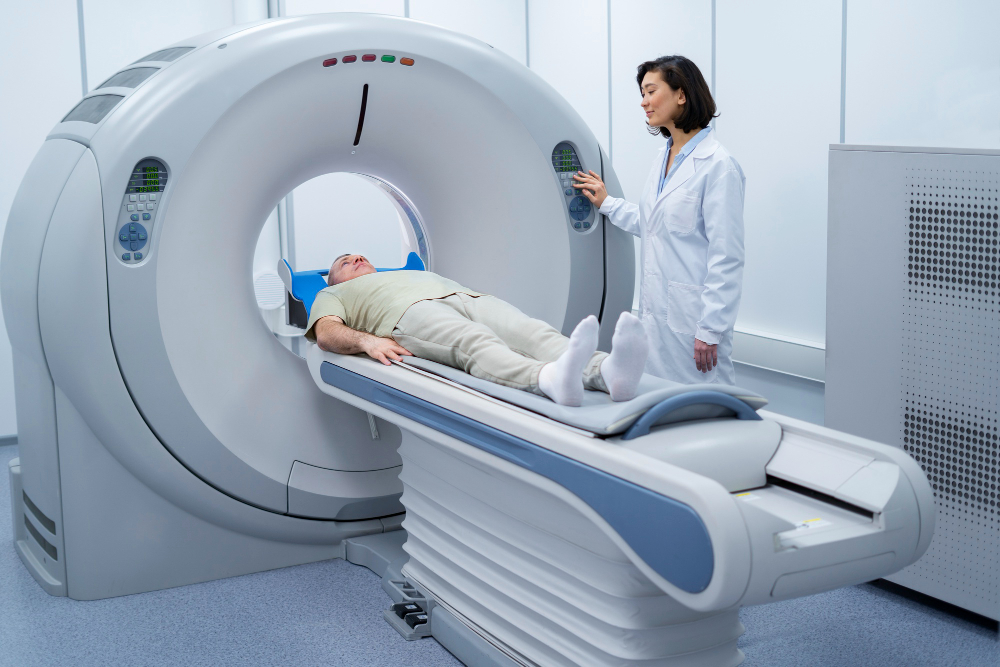
When you arrive, a staff member will explain what to expect during a chest CT scan. First, you may change into a gown. Next, you will lie on a table that slides into the CT scanner. The scanner is a large, doughnut-shaped machine. You will need to stay still during the scan. Sometimes, the staff may ask you to hold your breath for a few seconds. This helps get clear pictures.
If your scan needs contrast dye, a nurse may give it through a small needle in your arm. The dye helps highlight certain areas inside your chest. The scan itself usually takes less than 15 minutes. After the scan, you can return to your normal activities.
Risks and Safety Considerations
Chest CT scan safety is important. The scan uses a small amount of radiation. However, the amount is low and usually safe for most people. Doctors only order a CT scan when the benefits are greater than the risks. If you are pregnant, tell your doctor before the scan. In rare cases, some people may have an allergic reaction to the contrast dye. Signs include itching, rash, or trouble breathing. If you notice any of these, tell the staff right away.
According to the CDC and WHO, CT scans are safe when used properly. Doctors take steps to limit your exposure to radiation.
Understanding the Results
After your chest CT scan, a doctor called a radiologist will look at the images. The radiologist will write a report and send it to your doctor. Your doctor will then explain the results to you. Sometimes, the results are ready the same day. Other times, it may take a few days. If the scan shows a problem, your doctor will talk about the next steps. Because the images are detailed, doctors can make better decisions about your care.
Frequently Asked Questions
Tips for a Smooth Experience
With these tips, your chest CT scan can be quick and stress-free.
For more information or if you have concerns, consult a healthcare professional at Dr Rupinder Diagnostics for personalized advice about chest CT scans. Our expert team is here to help you understand the procedure and ensure you receive the best care possible.