A TIFFA scan, also called a fetal anomaly scan, is a special ultrasound done during pregnancy. This second trimester ultrasound helps doctors check the baby’s growth and spot any problems early. Because the TIFFA scan can detect fetal anomalies, it is an important part of pregnancy care. Many parents want to know what to expect during a TIFFA scan and how it helps keep their baby healthy.
What is a TIFFA Scan?
TIFFA stands for Targeted Imaging for Fetal Anomalies. It is a detailed ultrasound test done between 18 and 22 weeks of pregnancy. During this scan, a doctor looks at the baby’s organs, bones, and body parts. The main goal is to find any birth defects or health issues early. Sometimes, people call it a level 2 ultrasound or a fetal anomaly scan.
Why is a TIFFA Scan Important?
TIFFA scans are important for many reasons. First, they help doctors check if the baby is growing well. Second, they can spot problems with the baby’s heart, brain, or other organs. Early detection gives parents and doctors time to plan the best care. In some cases, early treatment can help the baby after birth. Also, the scan can show if there are twins or other special conditions.
When is a TIFFA Scan Done?
Doctors usually do the TIFFA scan during the second trimester, between 18 and 22 weeks of pregnancy. This is the best time because the baby’s organs are formed and can be seen clearly. If the scan is done too early, some parts may not be visible. If done too late, it may be harder to make some decisions. Therefore, it is important to follow your doctor’s advice on timing.
How is a TIFFA Scan Performed?
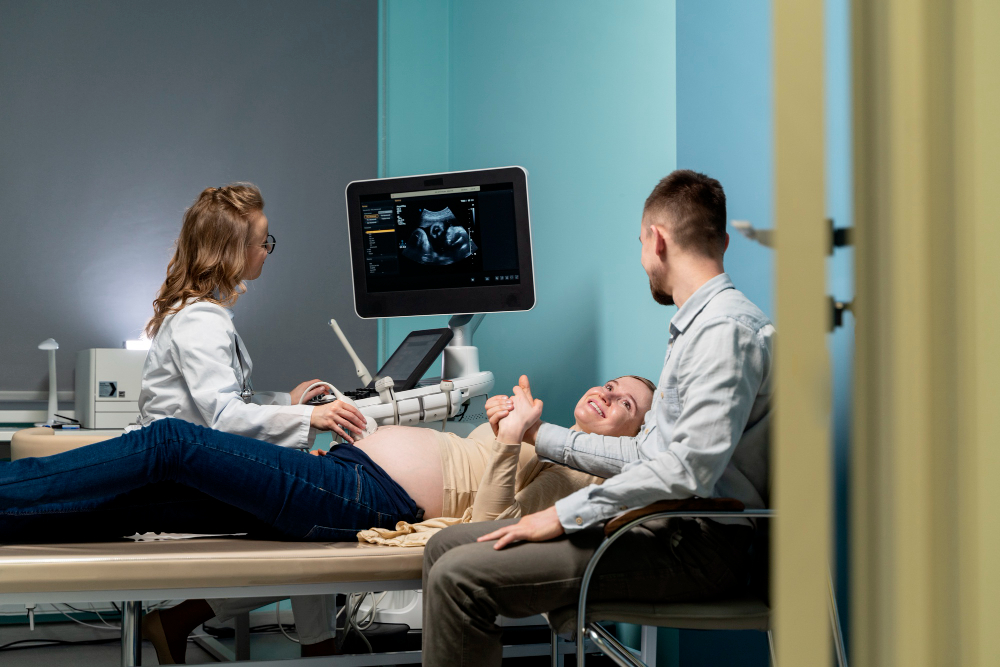
The TIFFA scan is a simple and safe test. First, you will lie down on a bed. Next, the doctor or technician will put a cool gel on your belly. Then, they will move a small device called a probe over your skin. This device sends sound waves to create pictures of the baby inside. The scan usually takes 30 to 45 minutes. You can see the baby’s images on a screen during the test.
What Can a TIFFA Scan Detect?
The TIFFA scan can find many types of fetal anomalies. For example, it can check the baby’s:
Because the scan is detailed, it can spot problems like heart defects, spina bifida, or missing limbs. However, not all problems can be seen on the scan. Some issues may develop later or be too small to detect.
Preparing for a TIFFA Scan
Getting ready for a TIFFA scan is easy. In most cases, you do not need to fast or change your diet. However, some clinics may ask you to drink water before the scan. A full bladder can help get clearer pictures. Always follow your doctor’s instructions. Wear loose, comfortable clothes to make the scan easier.
Safety and Risks of TIFFA Scan
TIFFA scans are very safe for both mother and baby. The test uses sound waves, not radiation. According to the World Health Organization (WHO), ultrasound scans do not harm the baby or mother when used properly. There are no known risks from a TIFFA scan. Still, it is best to have the scan only when your doctor recommends it.
Frequently Asked Questions about TIFFA Scan
Conclusion
In summary, a TIFFA scan is a key part of pregnancy care. It helps detect fetal anomalies early and gives parents peace of mind. If you have questions about the TIFFA scan or your pregnancy, consult your healthcare provider at KP IMAGING for personalized advice.